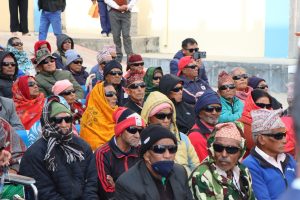
Nepal Netra Jyoti Sangh’s excellence in eye care earns foreign currency

Kathmandu, July 22: Nepal is unlocking medical potential of late. Nepal’s eye health service has earned special recognition in the country and abroad. It has built growing trust in the field of eye health care, thereby paving the way for establishing the country as an attractive destination for quality and accessible health care.

The Nepal Netrajyoti Sangh (NNJS) is a unique example of eye health care, which is provided to foreign citizens as well. NNJS is a center of comprehensive eye care, having 28 eye hospitals and 226 eye treatments under its affiliation. It has underlined delivering ‘high-quality, sustainable, comprehensive, and affordable eye care services across the country by leveraging local, national, and international resources. ‘

With the vision of ‘Sight for All,’ NNJS mobilized its eye hospitals and treatment centres to earn more than Rs. 1.5 billion foreign currency by providing services to foreign patients, including those from India in the fiscal year 2082/83 alone. It is a glaring example of how Nepal’s medical excellence in eye health care is picking a pace and opening further potential.

Most of the foreign patients coming for eye treatment at NNJS facilities are from neighboring countries—India, Bangladesh, and Bhutan. Even the people from other countries receive the service from Nepal’s eye hospitals. It is more than the data on hospitals’ income, for it reflects the increasing trust of foreign citizens in Nepal’s health services, the competence of Nepali doctors, agile health workers, and the guarantee of quality eye treatment services.

Together, it has been evident that health services bear tremendous possibility to earn foreign currency for Nepal. So far, NNJS has treated a total of 50.2 million eye patients, including the Nepali citizens and those from foreign countries, while over 5.6 million people have undergone eye surgeries to date since 1978, the time NNJS was set up.

Quality service behind trust

It is natural for anyone to seek medical treatment in other countries, considering the convenience. Quality of treatment, trust in doctors, cost, accessibility, duration to receive services, patients’ experience, and finances play instrumental roles in making such decisions.

Experienced eye specialists, modern technology and equipment, good surgical results, patient-friendly service, short wait for appointment, and affordable treatment costs available in Nepal are salient features of Nepal’s eye hospitals, which have made these attractive destinations for treatment.

Since its establishment in 1978, NNJS has been unrelentingly providing humanitarian services. The satisfaction of patients returning from Nepali hospitals and the experiences they share with their related communities count much to bring in new patients to Nepal for eye care service. The service delivery itself has been key to NNJS’ visibility and increasing trust. Years of service, successful treatment results, skilled manpower, and patient experience are pillars of building the trust, which has extended beyond the border.

Medical tourism: Connecting health and economy

The trend of ‘medical tourism’ is gaining pace, with an increasing number of people traveling from one country to another for treatment. The reasons behind it range from high treatment costs, long waits for appointments with doctors, and unavailability of specialist services. Where the quality and affordable treatment are available, the patients throng there.

Nepal is not only in a convenient location in South Asia but also has relatively affordable and quality eye health services that lure the patients from the neighbouring countries. Nepal can leverage further such opportune status to establish eye care service both as contributors to tourism and national economy. The medical tourism is indeed a significant bridge between health and economy. Those coming to Nepal for eye treatment are not only the concerned patients but their family members and relatives who spend times in Nepali hotels, use transportation, buy medicine and visit new places. As Nepal has several historical and religious destinations, such attraction can be linked to the medical tourism to spur economic activities.

Therefore, the foreign patients have not only the economic contribution but also the roles to expand hotel and tourism businesses.

Considering the growing prevalence of digital connection, NNJS has also mobilized the digital platforms and social media to make visibility and reach out to patients in the country and abroad. The social media connection enabled NNJS to reach nearly 912 thousand patients from abroad. It conducted as many as 153,086 eye surgeries of the foreign patients in 2025 alone.

NNJS has earned international reputation and recognition through its eye treatment service aligning with Nepal government’s policies and directives. The non-governmental and non-profit social organization has reached a huge number of people in the country and abroad through its robust network. In addition to catering a humanitarian service, it has been able to promote Nepal’s health sector as significant exportable service to earn foreign money. It has earned over Rs. 1.5 billion in foreign income with the treatment of foreign patients in a fiscal year alone. Once the medical services are given impetus with clear policies, good infrastructure and international promotion, these would undoubtedly ensure excellence and durable income to the country.

Lesson for others to reduce blindness

Since its inception in 1978 with the aim of reducing preventable and treatable blindness in Nepal, NNJS has worked actively to expand access to modern and specialized eye health services across the country, which was quite limited those days. In those days, the eye treatment was limited to only few cities.

Since then, Nepal has made a long journey in the sector of eye health. With gradual expansion of hospitals and eye treatment facilities, community-based eye health programmes, vision screening at schools, cataract surgery, retina and glaucoma services, corneal treatment, pediatric eye health care and various specialist services have expanded across the country.

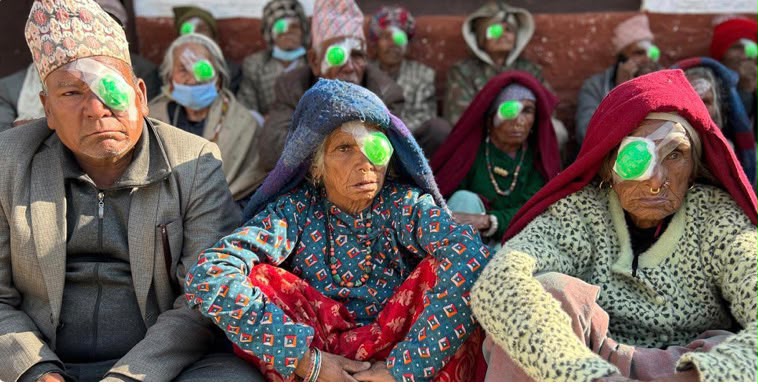
Those far-flung communities are getting better services. NNJS gave special emphasis in reaching the eye health services to local levels so that more number of backward people could access to the modern eye health service at their convenience. The treatment and referral from nearby places have significantly contributed to reducing blindness in Nepal.

It is worth noting that in 1981, the blindness rate was 0.84 percent, while has been reduced to about 0.28 percent in Nepal now. Currently, Nepal government, in collaboration with NNJS and other partner organizations, has set a target of reducing the blindness to 0.20 by 2030 in line with the National Health Strategy.

This target is not limited only to improvement in health sector indicators because the protection or regaining one’s vision is directly linked to the person’s education, employment, income generation, self-reliance and ultimately the living standard. Once a person regains vision, it creates positive impact in family and community as well.  Where there is no more darkness, it creates atmosphere for social and economic progress of the country.

Growing potential of health service export

Nepal’s potential of leading in health service export can be substantiated with the fact that NNJS had organized a two-day free eye treatment camp in Kampong Cham Province of Cambodia in mid July. It was held in coordination with the Nepali Embassy (including Cambodia) where 1,200 Cambodian people received eye checks up and treatment services. It also proves the excellence of Nepali ophthalmologists abroad.

Considering these activities, progress, success and recognition of Nepal’s eye treatment service in the country and abroad, it is time for us to further expand the eye care in a way to establish Nepal’s leadership in health export service in the region and promote health tourism as a vital pillar of national economy. The growth of skilled medical workforce, quality treatment services, successful treatment outcomes, relatively low cost and international trust are salient features to advance this strategy.

[Pant, a Chartered Accountant, is the Chief Finance Officer of NNJS] 
NNJS contributes Rs. 14.14 million to Prime Minister Disaster Relief Fund.

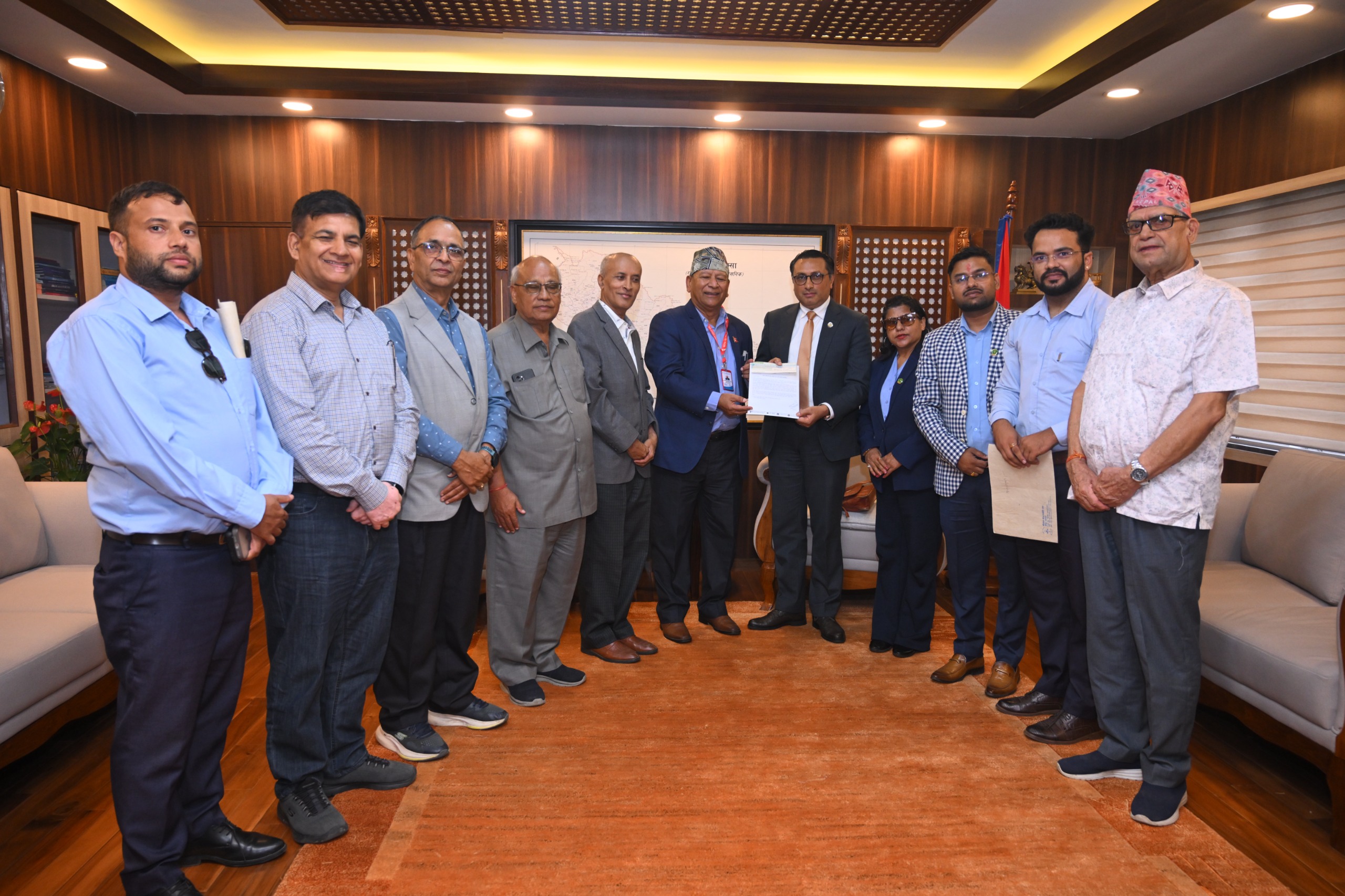
Nepal Netra Jyoti Sangh (NNJS) has contributed Rs. 14.14 million to the Prime Minister Disaster Relief Fund to support the rescue, relief, and rehabilitation of people affected by the recent floods in the Bhotekoshi River in Rasuwa.

NNJS General Secretary Bharat Bahadur Chand handed over the cheque to Finance Minister Dr. Swarnim Wagle on Wednesday.

Of the total amount, Rs. 9,974,506 was collected institutionally through hospitals, eye care centers, and district branches under the NNJS’s network, while Rs. 4,166,635 was contributed by its employees and volunteers.

The floods in the Bhotekoshi River on Bhadra 10 (August 26) caused significant loss of life and property in Rasuwa, Nuwakot and Dhading. In view of the serious impact of the disaster on the daily lives, health, and livelihoods of affected communities, the Sangh collected the funds in response to the Government of Nepal’s call for contributions to the Prime Minister Disaster Relief Fund.

NNJS said the contribution was made by consolidating institutional and individual donations received from its hospitals, eye care centers, district branches, social workers, well-wishers, and employees.

Alongside financial assistance, the Sangh has also been prioritizing the healthcare needs of disaster-affected communities by providing free services in the affected areas.

The organization has been continuing to provide eye examinations, treatment, consultations, and other essential eye care services to people who have been deprived of healthcare services due to the disaster.

According to the NNJS, collective efforts by the government, civil society, the private sector, and various organizations are essential to protect lives, safeguard health, and support the rehabilitation of disaster-affected communities during such difficult times.

In line with this commitment, the Sangh has contributed to the relief fund as part of its social responsibility while also seeking to directly support affected communities through healthcare services.

He added that the Sangh will continue to play its role through humanitarian assistance and healthcare services based on the needs and circumstances in the days ahead.

नेपाल नेत्रज्योति सङ्घद्वारा बाढीपीडितलाई एक करोड ४१ लाख सहयोग

२५ भदौ, काठमाडौं । नेपाल नेत्रज्योति सङ्घले रसुवास्थित भोटेकोशी नदीमा गएको बाढीबाट प्रभावित नागरिकको उद्धार, राहत तथा पुनःस्थापनाका लागि प्रधानमन्त्री दैवी प्रकोप उद्धार कोषमा एक करोड ४१ लाख ४१ हजार १४१ सहयोग गरेको छ ।

अर्थमन्त्री डा स्वर्णिम वाग्लेलाई सङ्घका महासचिव भरतबहादुर चन्दले उक्त रकमको ‘चेक’ तथा ‘भउचर’ बुधबार हस्तान्तरण गरेका हुन् । गैरनाफामुखी सो सामाजिक संस्थाको सञ्जालभित्रका अस्पताल, आँखा उपचार केन्द्र तथा जिल्ला शाखालगायत संस्थागत स्रोतबाट ९९ लाख ७४ हजार ५०६ र कर्मचारी तथा स्वयंसेवकबाट ४१ लाख ६६ हजार ६३५ सङ्कलन गरिएको थियो ।

यही भदौ १० गते भोटेकोशीमा गएको बाढीले रसुवा, नुवाकोट र धादिङमा मानवीय तथा भौतिक क्षति भएको थियो । बाढी प्रभावित नागरिकको दैनिक जीवन, स्वास्थ्य र जीविकोपार्जनमा गम्भीर असर परेको परिस्थितिलाई मध्यनजर गर्दै नेपाल सरकारद्वारा आह्वान गरिएको प्रधानमन्त्री दैवी प्रकोप उद्धार कोषमा योगदान गर्ने निर्णयअनुसार उक्त रकम सङ्कलन गरिएको सङ्घले जनाएको छ ।

सङ्घअन्तर्गत सञ्चालित विभिन्न अस्पताल तथा आँखा उपचार केन्द्र, जिल्ला शाखा, समाजसेवी, शुभेच्छुक तथा कर्मचारीबाट प्राप्त व्यक्तिगत सहयोगसमेत एकीकृत गरी उक्त रकम प्रधानमन्त्री दैवी प्रकोप उद्धार कोषमा जम्मा गरिएको नेपाल नेत्रज्योति सङ्घले जनाएको छ ।

सङ्घले आर्थिक सहयोगसँगै विपद् प्रभावित नागरिकको स्वास्थ्य आवश्यकतालाई प्राथमिकतामा राख्दै प्रभावित क्षेत्रमा निःशुल्क आँखा उपचार सेवा उपलब्ध गराइरहेको छ । विपद्का कारण स्वास्थ्य सेवाबाट वञ्चित हुन पुगेका नागरिकलाई आवश्यक आँखा परीक्षण, उपचार तथा परामर्शलगायतका सेवा उपलब्ध गराउने कार्यलाई सङ्घले निरन्तरता दिएको छ ।

नेपाल नेत्रज्योति सङ्घका अनुसार विपद्को कठिन समयमा प्रभावित नागरिकको जीवनरक्षा, स्वास्थ्य सुरक्षा तथा पुनःस्थापनाका लागि राज्य, नागरिक समाज, निजी क्षेत्र तथा विभिन्न सङ्घसंस्थाको सामूहिक प्रयास आवश्यक छ ।

यसै भावनाअनुरूप सङ्घले आफ्नो सामाजिक उत्तरदायित्वअन्तर्गत राहत कोषमा सहयोग गर्नुका साथै स्वास्थ्य सेवामार्फत प्रभावित समुदायसँग प्रत्यक्ष रूपमा जोडिने प्रयास गरेको हो । सङ्घका कार्यकारी निर्देशक डा शैलेश मिश्रले भोटेकोशी बाढी प्रभावितको उद्धार, राहत, र पुनःस्थापनामा नेपाल सरकारबाट भइरहेको प्रयासप्रति सङ्घले ऐक्यबद्धता व्यक्त गर्दै आगामी दिनमा पनि आवश्यकता र परिस्थितिअनुसार मानवीय सहयोग तथा स्वास्थ्य सेवा प्रवाहमार्फत आफ्नो भूमिका निरन्तर निर्वाह गर्ने जानकारी दिए ।

सङ्घका महासचिव चन्दका अनुसार सङ्घले हालसम्म पाँच करोड दुईलाख ४८९ जनालाई आँखा उपचार सेवा प्रदान गरिसकेको छ भने ५६ लाख ५९ हजार ६२४ जनाको आँखाको शल्यक्रिया समेत गरिसकेको छ । सङ्घको हाल २८ आँखा अस्पताल, ४४ जिल्ला शाखाका २२६ आँखा उपचार केन्द्रमार्फत नेपाली सहित अन्य विभिन्न विदेशी नागरिकलाई आँखा सेवा प्रदान गरिरहेको छ ।

Cambodia hails Nepal’s eye care expertise

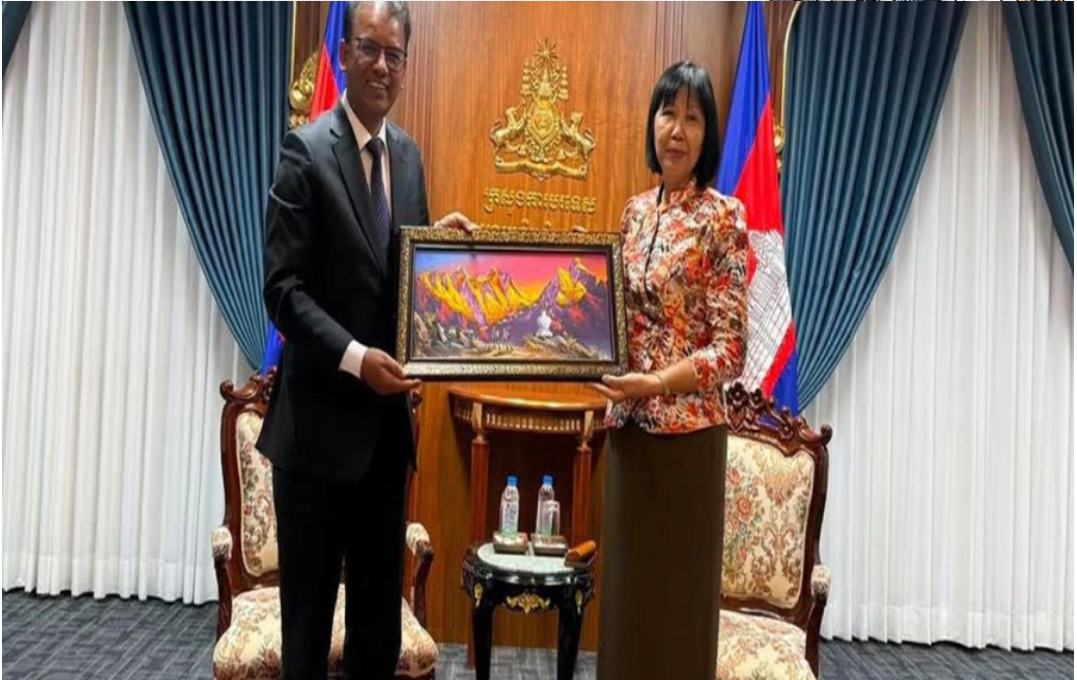
During a recent meeting with Nepal’s Ambassador to Thailand, who is also accredited to Cambodia, Dhan Bahadur Oli, Sophea praised Nepal for successfully organizing a free eye care camp in Kampong Cham Province on June 4 and 5, which benefited Cambodian citizens.

KATHMANDU, June 8: Cambodia has lauded Nepal’s eye care services, with the country’s permanent secretary of the Ministry of Foreign Affairs and International Cooperation and personal adviser to the prime minister, Eat Sophea, commending Nepal’s expertise in eye treatment and medical education.

During a recent meeting with Nepal’s ambassador to Thailand, who is also accredited to Cambodia, Dhan Bahadur Oli, Sophea praised Nepal for successfully organizing a free eye care camp in Kampong Cham Province on June 4 and 5, which benefited Cambodian citizens.

According to a statement issued by the Embassy of Nepal in Thailand, Sophea appreciated Nepal’s contribution to improving eye health in Cambodia through the camp. The outreach program was jointly organized by the Nepal Netra Jyoti Sangh, the Lumbini Eye Institute and Research Center (Ran Ambika Shah Eye Hospital), the Nepali Embassy, and Cambodian partner organizations.

The meeting also explored opportunities to deepen cooperation in public health, particularly eye care, along with education, agriculture, tourism, and other areas of mutual interest. Both sides also discussed ways to expand economic and trade relations between the two countries.

During the meeting, Ambassador Oli said Nepal is ready to strengthen Cambodia’s eye care capacity by providing training and technical assistance. He also informed Sophea that Nepal is willing to organize another free eye camp in the near future, citing the strong demand for such services among Cambodian citizens.

The two sides also highlighted the tourism potential between the two countries. They emphasized strengthening ties between Lumbini, the birthplace of Lord Buddha, and Cambodia’s world-renowned Angkor Wat, with the aim of promoting Buddhist and cultural tourism.

The two-day eye camp in Kampong Cham Province was organized with technical support from the Lumbini Eye Institute and Research Center, operated by the Nepal Netra Jyoti Sangh, and coordinated by the Embassy of Nepal in Thailand, which also covers Cambodia.

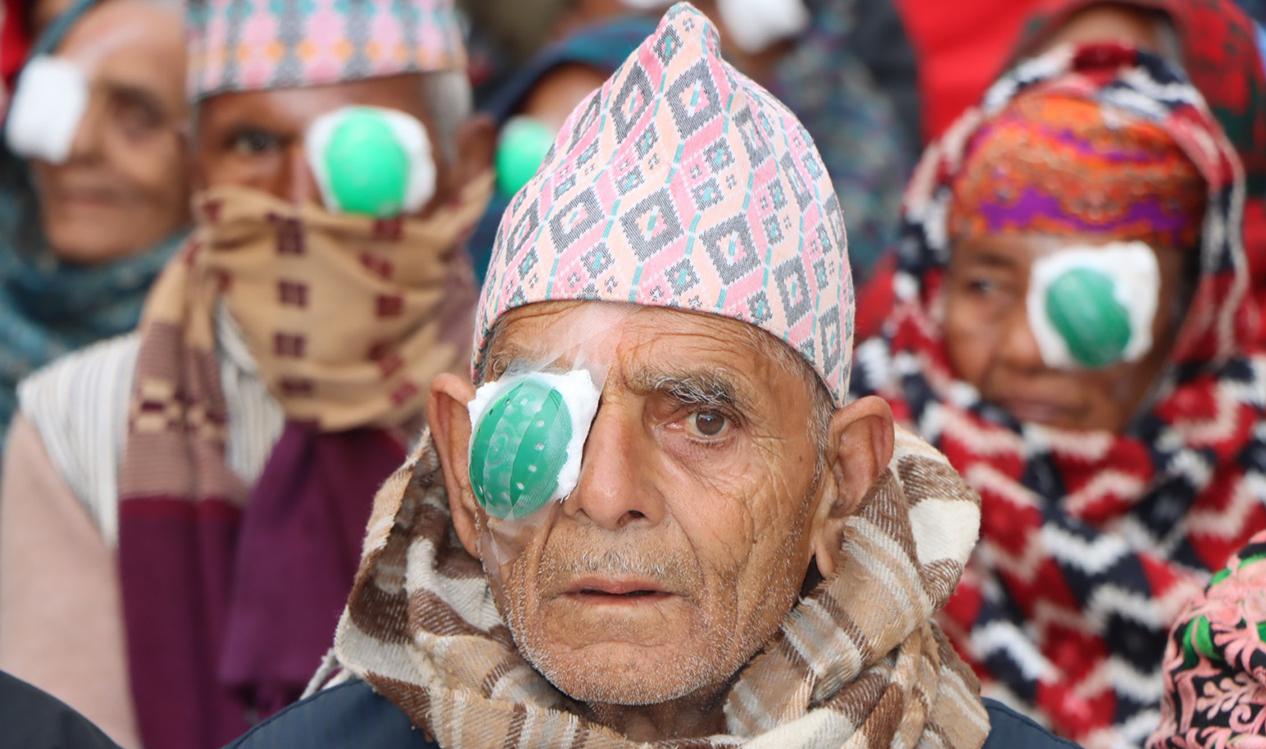
Held for the first time at Kampong Cham Provincial Hospital on June 4 and 5, the camp provided free eye screening and treatment to 1,002 Cambodian citizens.

According to Nepal Netra Jyoti Sangh Executive Director Dr. Shailesh Kumar Mishra, 641 women and 361 men received services during the camp.

He said 373 patients were provided free medicines, 407 received eyeglasses, and another 192 were given both medicines and eyeglasses.

The camp also identified 93 patients with cataracts, who were referred to the local hospital for further treatment.

Ambassador Oli and Kampong Cham Province Governor Un Chanda jointly inaugurated the eye camp.

Himalaya Eye Hospital Pokhara extends its services to remote Karnali’s communities

Kathmandu, July 20: The Himalaya Eye Hospital Pokhara, run by the Nepal Netra Jyoti Sangh, has provided free eye surgery services to 953 people in various districts of Karnali Province.

The hospital in the last fiscal year, 2082/83, conducted free eye camps for the communities in remote districts that were far from access to services.

According to Subas Nepal, the chief of the hospital’s external programs, last fiscal year the hospital provided eye treatment services to over 17,649 citizens of that province.

During that period, 7,217 people received free eye check-ups through external programs, while 10,432 people received eye treatment services through the hospital’s eye care centers, according to a press release issued by the hospital.

Under Himalaya Eye Hospital, there are eye treatment centers operating in Karnali Province at Chandannath Eye Hospital in Khalanga–Jumla, at Manma–Kalikot, at Simkot–Humla, at Sinja–Jumla, and at Gamgadhi–Mugu.

These hospitals, treatment centers, outreach programs, and free eye camps run at the community level have been providing eye examinations, treatment, necessary advice, and surgical services to people living in geographically remote areas.

According to Dr. Babita Gurung, the chief medical director of the hospital, the hospital provided eye treatment services to 188,914 people last fiscal year through its outpatient department alone.

The hospital stated that 106,459 women and 82,498 men benefited from the service. Among the total beneficiaries, about 56 percent are women and 44 percent are men.

Surendra Thapamagar, Chairman of the Himalaya Eye Hospital Management Committee, stated that a plan has been promoted to further expand and strengthen specialized eye treatment services in Karnali Province.

“There is a plan to provide regular specialist services through an eye specialist based in Jumla and to render services in the other three districts of Karnali by establishing ‘surgical centers’ there so that eye surgery services are available locally,” he said.

According to him, the hospital is taking initiatives to expand specialist and surgical services to the remote areas at the district level in the province to reduce the need to travel far even for basic eye care and eye surgeries. (RSS).

आँखा उपचारमा अब्बल नेपाल

Nepal News-गोपाल दाहाल – २२ माघ २०८२

आँखा उपचारमा देशले आर्जन गरेको ख्याति र अनुभव अरू देशका लागि पनि अनुकरणीय


हातमा पुर्जा बोकेका महिला र पुरुष लामबद्ध उभिएका छन्। कोही आराम गर्न भुइँमै थचक्क बसेका छन् त कोही भुइँमै बसेर आफूले ल्याएका खानेकुरा खाइरहेका छन्। झट्ट हेर्दा सानोतिनो बजारजस्तै लाग्ने यो दृश्य गएको १६ माघमा विराटनगर आँखा अस्पतालमा देखिएको हो। लामबद्ध मान्छेमध्ये अधिकांश भारतबाट आँखा उपचारका लागि आएका हुन्।

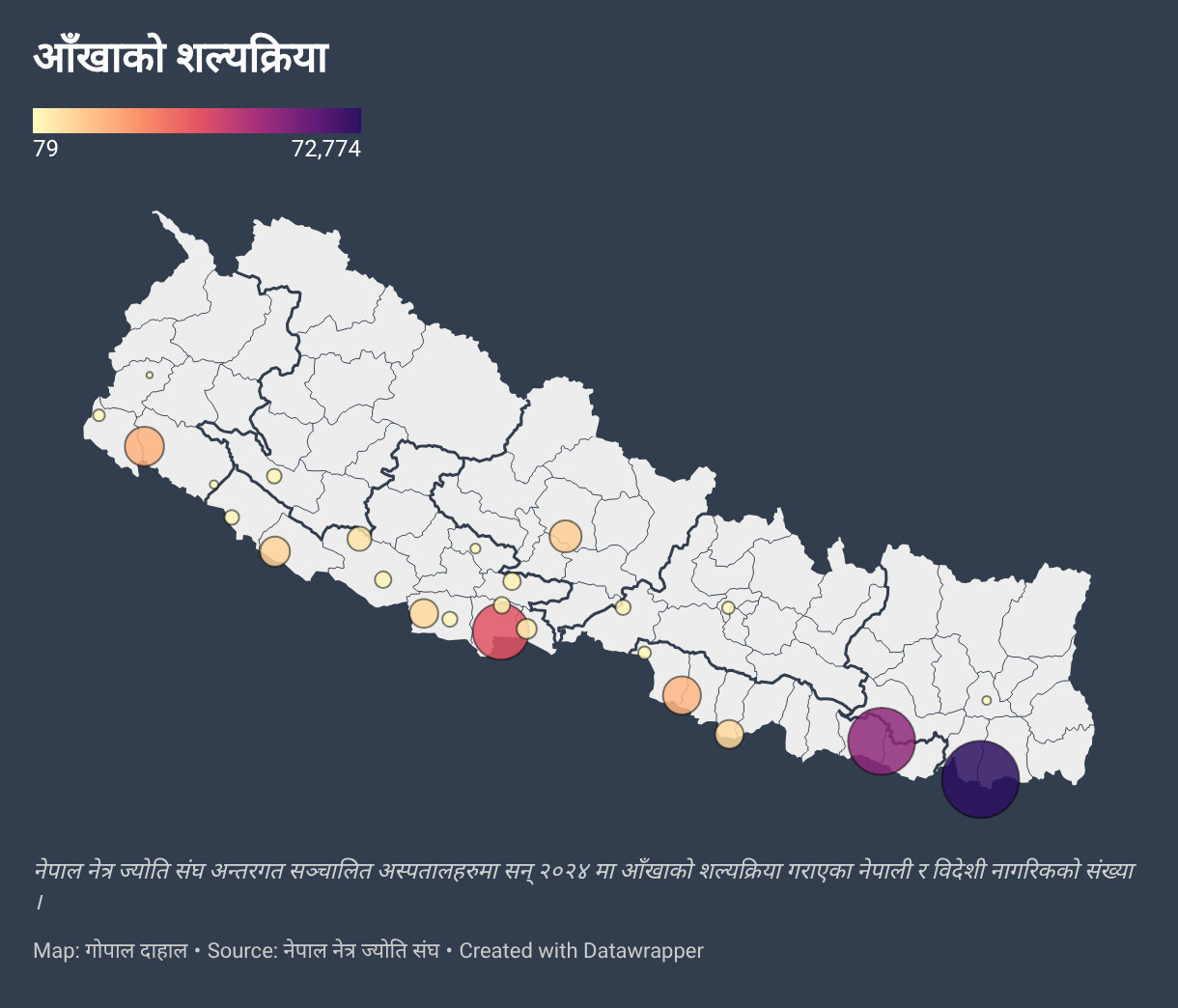
नेपाल नेत्रज्योति संघले सञ्चालन गरेको यो अस्पताल नेपालमा सबैभन्दा धेरै आँखाका बिरामीको उपचार गर्ने अस्पतालमध्येमा पर्छ। सन् २००६ मा स्थापना भएको अस्पतालले सन् २०२५ मा मात्रै सात लाख बिरामीको आँखाको उपचार गरिसकेको छ। यसमा पनि ७० हजारको त शल्यक्रिया नै भएको छ।

एकै वर्षमा सात लाख जनाको आँखाको उपचार गर्नु सामान्य होइन। अस्पतालको तथ्याङ्क अनुसार ओपीडीमा भर्ना हुने बिरामीमध्ये ५४ प्रतिशत नेपाली छन् भने बाँकी ४६ प्रतिशत भारत, बंगलादेश र भुटानबाट आउने छन्। अस्पतालका प्रबन्धक कुमार पृथु भन्छन्, “यहाँ आउने विदेशीमध्ये पाँच प्रतिशत बंगलादेशी र एक प्रतिशत भुटानी छन्। बाँकी भारतका विभिन्न प्रान्तबाट आउँछन्।”

विराटनगर आँखा अस्पतालअन्तर्गत कोशी प्रदेशका विभिन्न ठाउँमा २२ वटा आइकेयर सेन्टर सञ्चालनमा छन्। सुनसरीको इटहरी र इलामको फिक्कलमा आँखाको अप्रेसन नै गर्न सक्ने अस्पताल चलाइएका छन्। अस्पतालले गाउँगाउँ पुगेर आँखा शिविर र सचेतना कार्यक्रम सञ्चालन गर्दै आइरहेको छ। अस्पताल आउन नसक्ने बिरामीका लागि पनि शल्यक्रिया शिविर सञ्चालन हुन्छ।

आँखा उपचारको क्षेत्रमा यो स्तरको उपलब्धि हासिल हुनुमा चाहिँ सरकारको भन्दा बढी योगदान समुदायको छ। समुदायकै योगदानका कारण आँखा उपचारमा नेपालमा अब्बल रेकर्ड बनाउन सकेको हो। हुन पनि आँखा उपचारमा राज्यको लगानी चाहिँ न्यून देखिन्छ। विश्व स्वास्थ्य संगठन लगायतका अन्तर्राष्ट्रिय गैर–सरकारी संस्थाहरूको आर्थिक सहयोग, समुदायको दान र सहकार्यले देशलाई आँखा उपचारमा भरोसायोग्य गन्तव्य बनाएको छ। संघका सञ्चार अधिकृत कृष्ण भट्टराई भन्छन्, “देशको आँखा उपचारमा ८० प्रतिशत लगानी समुदाय र गैरसरकारी संस्थाको छ। एक प्रतिशतजति सरकार र बाँकी निजी क्षेत्रको हो। समुदायकै लगानीले नेपाल आँखा उपचारको भरोसायोग्य गन्तव्य देश बनिसकेको छ।”

आँखा उपचारमा देशमै सबैभन्दा ठूलो सञ्जाल नेत्र ज्योति संघकै छ। दाताको सहयोगमा सन् १९९२ बाट सुरु भएको तिलगंगा आँखा अस्पतालले गौशाला, भक्तपुर र हेटौंडामा आँखा अस्पताल सञ्चालन गरेको छ। त्यस्तै रेडक्रसको सहयोगमा पनि आँखा अस्पताल सञ्चालन गरिएका छन्। सरकारी अस्पतालमा पनि आँखाको उपचार हुन्छ।

सन् १९९५ देखि लेन्स उत्पादन गर्न थालेको तिलगंगाले अहिले विश्वका ४० भन्दा बढी देशमा लेन्स निर्यात गर्ने गरेको छ।

तिलगंगाले आँखाको उपचारसँगै लेन्स उत्पादनमा नाम कमाएको छ। सन् १९९५ देखि लेन्स उत्पादन गर्न थालेको तिलगंगाले अहिले विश्वका ४० भन्दा बढी देशमा लेन्स निर्यात गर्ने गरेको छ। वर्षमा तिलगंगाले साढे ४ लाख लेन्स उत्पादन गर्छ भने एउटा लेन्सको मूल्य ३ सयदेखि ४ हजार रुपैयाँसम्म पर्छ। उत्पादन भएका मध्ये ६० प्रतिशत विदेश निर्यात हुन्छ भने ४० प्रतिशत नेपालमा खपत हुन्छ। तिलगंगाको आँकडा अनुसार डा.सन्दुक रुइतको टिमले बनाएका लेन्स विश्वका ६५ लाखभन्दा बढी मानिसको आँखामा हालिएको छ। स्वास्थ्य तथा जनसंख्या मन्त्रालयका प्रवक्ता डा. प्रकाश बुढाथोकीका अनुसार निजी सार्वजनिक साझेदारीले नेपाल आँखा उपचारमा दक्षिण एसियामै अब्बल देश बनेको छ। बुढाथोकी भन्छन्, “नेपालमा बनेको लेन्स र आँखाको उपचार दुवै सस्तो र स्तरीय भएकाले नेपालबाट अरू देशले पनि आँखाको उपचारको अभ्यासबाट सिकिरहेका छन्।”

दक्ष जनशक्ति, स्तरीय उपचार

आँखा उपचारमा देश आत्मनिर्भर बन्नुमा दक्ष जनशक्ति उत्पादनले पनि योगदान गरेको छ। नेत्रज्योति संघकै जर्मकोमा दक्ष जनशक्ति उत्पादन र गुणस्तरीय उपचारमा विशेष ध्यान दिइएको छ। यसले नेपाली बिरामीलाई मात्र होइन, भारतीय, बंगलादेशी र भुटानी नागरिकलाई पनि आकर्षित गरेको छ।

सन् १९७८ अघि वीर अस्पतालमा मात्र आँखा रोग उपचार विभाग थियो। त्यसबेला आँखाको शल्यक्रिया गर्नुपर्दा एक वर्ष पालो कुर्नु पर्थ्यो। सन् १९८० सम्म नेपालमा जम्मा सात जना मात्र आँखाका विशेषज्ञ चिकित्सक थिए। उनीहरू काठमाडौं, पूर्व तथा मध्य क्षेत्रमा कार्यरत थिए। पोखराभन्दा पश्चिमी क्षेत्रमा आँखा उपचारको कुनै सेवा उपलब्ध थिएन। नेपालीहरू समस्यामा परे उपचारका लागि भारतको सीतापुर जान बाध्य थिए।

तर, संघले जनशक्ति उत्पादनका लागि भारत र अरू देशका तालिम दिने संस्थालाई पत्र लेखेर अनुरोध गरेपछि अवस्था बदलिएको छ। विश्व स्वास्थ्य संगठनको आर्थिक सहयोगमा भारतको अल इन्डिया इन्स्टिच्युट अफ मेडिकल साइन्स (एम्स) बाट १० जना चिकित्सक नेत्रविज्ञानमा एमडी गरेर स्वेदश फर्किए। त्यो टोलीकै सदस्य थिए– डा.सन्दुक रुइत। पढेर स्वेदश फर्केपछि सन्दुककै सक्रियतामा तिलगंगा आँखा अस्पताल शुरु गरिएको हो। उनले पशुपति क्षेत्र विकास कोषको जग्गा अनि विदेशी दाताको सहयोग जुटाएर तिलगंगा शुरु गरेका हुन्।

स्विस रेडक्रसको सहयोगमा अरू तीन जनाले भारतको चण्डीगढबाट नेत्रविज्ञानमा एमडी गरे भने अरू पाँच जनाले भारतको कस्तुरबा मेडिकल कलेज मणिपालबाट स्नातकोत्तर गरे। यसबाट आँखा उपचारमा दक्ष जनशक्तिको संख्या अरू थपियो। त्यसै गरी सन् १९८१ देखि नेत्रज्योति संघले सीटीईभीटीसँग सम्बन्धन लिएर आँखा उपचारका सहायक जनशक्ति उत्पादन पनि शुरु गर्‍यो। यसरी उत्पादन भएका जनशक्ति जिल्लाहरूमा जान थालेपछि देशमा आँखा उपचार थप सहज भएको हो।

संघको आँकडा अनुसार देशमा अहिले नेत्र चिकित्सकको संख्या नै १ हजार ४ सयको हाराहारीमा छ, जुन जनसंख्याको तुलना र विश्व स्वास्थ्य संगठनको मापदण्डभन्दा ७ सय ९० बढी हो। त्यस्तै आँखा रोगका सहायक जनशक्तिको संख्या २ हजार ४ सय छ। यो संख्या पनि विश्व स्वास्थ्य संगठनको मापदण्डभन्दा १ हजार १ सय ८० ले बढी हो। “आँखा उपचारमा नेपाल दक्षिण एसियामै अब्बल गन्तव्य बनेको छ। यही कारण विदेशबाट पनि यहाँ उपचार गराउन बिरामी ओरिएका हुन्,” मिश्र भन्छन्, “शल्यक्रियाका लागि अस्पताल भर्ना भएका बिरामी भोलिपल्टै घर जान सक्ने हुँदा उनीहरूको रोजाइ पनि नेपाल नै हुने गरेको छ।”

नेपालमा आँखाको उपचार पनि खासै महँगो छैन। आँखा उपचार कम खर्चिलो भएकाले पनि विदेशीहरू नेपालतिर आकर्षित हुने गरेका छन्। नेत्रज्योति संघका आँखा अस्पतालमा बेड शुल्क सरदर २ सय रुपैयाँ छ भने शल्यक्रिया शुल्क ५ हजारदेखि १५ हजारसम्म छ। यही शुल्कले पनि विदेशीलाई नेपाल आउन प्रेरित गरेको छ। जस्तो गत वर्ष मात्र संघले आफू मातहतका अस्पताल आउने विदेशी नागरिकबाट मात्रै डेढ अर्ब आम्दानी गरेको थियो। यसमा तिलगंगा, रेडक्रस र अन्य निजी आँखा अस्पतालको आम्दानी समेटिएको छैन।

आँखा उपचारमा देशले प्रगति गरेका कारण पछिल्लो समय संघ, प्रदेश र स्थानीय तहले पनि आँखा उपचारमा बजेट विनियोजन गर्न थालेका छन्।

विराटनगर आँखा अस्पतालका प्रबन्धक कुमार पृथु नेपालमा उपचार गर्न आउने विदेशी बिरामीले अस्पतालमा मात्र नभई अन्य कुरामा पनि खर्च गर्ने गरेकाले त्यसले अर्थतन्त्रमा पनि योगदान पुगेको बताउँछन्। उनी भन्छन्, “भारतभन्दा नेपालमा सस्तो उपचार पाइन्छ भनेर पूरै परिवार नै नेपाल आउने भारतीय धेरै छन्। परिवारसहित नेपाल आउँदा घुमघाम पनि हुन्छ। त्यसले पर्यटनलाई पनि टेवा नै दिएको छ।”

आँखा उपचारमा देशले प्रगति गरेका कारण पछिल्लो समय संघ, प्रदेश र स्थानीय तहले पनि आँखा उपचारमा बजेट विनियोजन गर्न थालेका छन्। चालु आर्थिक वर्षमा मात्रै तीनै तहका सरकारले आँखा उपचारमा करिब २७ करोड अनुदान दिएको नेत्रज्योति संघका कार्यकारी निर्देशक डा. शैलेश मिश्र बताउँछन्।

संघर्षबाट सफलता

आँखा उपचारमा नेपालले एकाएक सफलता पाएको भने होइन। यस क्षेत्रमा देशले पाएको लोभलाग्दो सफलतामा सबैभन्दा ठूलो योगदान डा.रामप्रसाद पोखरेलको छ। सन् १९७४ मा उनले गरेको संघर्षकै कारण पहिलो पटक देशमा नेपाल आँखा अस्पताल खोलिएको हो।

सन् १९७८ को मार्चमा भारतको नयाँदिल्लीमा निको पार्न सकिने अन्धोपनको विषयमा विश्व स्वास्थ्य संगठनले एक कार्यक्रम आयोजना गरेको थियो। त्यो कार्यक्रममा नेपालबाट डा. पोखरेल सहभागी थिए। उनले त्यहाँ नेपालमा अन्धोपनविरुद्ध लड्न आफूले गरिरहेको संघर्षबारे कार्यपत्र नै प्रस्तुत गरेका थिए।

उनको कार्यपत्रबाट कार्यक्रममा सहभागी सबै प्रभावित भए। डा.पोखरेलले आफ्नो पुस्तक ‘तमसोमा ज्योतिर्गमय’ मा यसबारे लेखेका छन्, “मेरो प्रस्तुतिपछि केही प्रतिनिधिले सहयोग गर्ने इच्छा देखाए। सहयोगको हात अगाडि बढाउनेमा डा.निकोल ग्रासेट, डा.थांगेभेलु र अन्य सदस्य पनि हुनुहुन्थ्यो।”

कतिसम्म भने नयाँदिल्लीमा पोखरेलले कार्यपत्र प्रस्तुत गर्दा नेपालमा भने आँखाको शल्यक्रियामा प्रयोग हुने सूक्ष्मदर्शक यन्त्र पनि थिएन। त्यतिबेला नेपालीका आँखामा कस्ता समस्या छन् भन्नेसम्म थाहा थिएन। त्यसबारे कुनै तथ्यांकसमेत थिएन।

यस्तो स्थिति झेलेका डा. पोखरेलकै पहलमा नेदरल्यान्डको लगानीमा सन् १९८१ मा पहिलोपल्ट राष्ट्रिय अन्धोपनसम्बन्धी सर्वेक्षण गरियो। विश्व स्वास्थ्य संगठन, नेपाल नेत्रज्योति संघ, स्वास्थ्य मन्त्रालय, सेवा फाउन्डेसन र नेदरल्यान्डको सहकार्यमा गरिएको त्यो सर्वेक्षणले ०.८४ प्रतिशत नेपाली दृष्टिविहीन रहेको पत्ता लगायो। सर्वेक्षणले १.७ प्रतिशत नेपालीले एउटा आँखा नदेख्ने तथ्य उजागर गर्‍यो। त्यस्तै १.८५ प्रतिशतको आँखाको दृष्टि कमजोर देखियो। त्यो सर्वेक्षणले नेपालमा अन्धोपनको प्रमुख चुनौतीका रूपमा मोतिबिन्दुसमेत देखायो। अन्धोपनको दोस्रो समस्याका रूपमा चाहिँ आँखाको नानीमा समस्या देखिने खस्रे रोग (ट्रकोमा) देखिएको थियो।

सन् १९७८ मै रविशमशेर राणा, डा.रामप्रसाद पोखरेल, मणिहर्ष ज्योति, बद्रीविक्रम थापा, अनंगमान शेरचन, बनवारीलाल मित्तल, तोलाराम दुगड, राजकृष्ण श्रेष्ठ र कमलमणि दीक्षितसहित नौ जना प्रतिष्ठित व्यक्तिले स्थापना गरेका हुन्– नेपाल नेत्रज्योति संघ।

सर्वेक्षणको नतिजा सार्वजनिक भएपछि डा.पोखरेलकै नेतृत्वमा आँखा सेवाका लागि गुरुयोजना बन्यो। त्यसमा २० वर्षको अवधिमा आत्मनिर्भर जनशक्ति निर्माण गर्ने, समुदायलाई सहयोगका लागि अपिल गर्ने, ग्रामीण क्षेत्रमा जनचेतना जगाउने लगायतका सात बुँदा थिए। तर, अरू रोगकै उपचारमा चुनौती झेलिरहेको सरकारसँग यो गुरुयोजना कार्यान्वयन गराउने क्षमता थिएन। त्यसैले यो कामको जिम्मेवारी नेत्रज्योति संघलाई दिइएको थियो।

सन् १९७८ मै रविशमशेर राणा, डा.रामप्रसाद पोखरेल, मणिहर्ष ज्योति, बद्रीविक्रम थापा, अनंगमान शेरचन, बनवारीलाल मित्तल, तोलाराम दुगड, राजकृष्ण श्रेष्ठ र कमलमणि दीक्षितसहित नौ जना प्रतिष्ठित व्यक्तिले स्थापना गरेका हुन्– नेपाल नेत्रज्योति संघ। यसले विदेशी दातासँग हारगुहार गरेर त्यतिबेला नै १४ वटै अञ्चलमा आँखा अस्पताल खोल्न समुदायसँग पनि सहकार्य शुरु गरेको थियो। । संघको आह्वान अनुसार देशका धेरै ठाउँमा समुदायले जग्गा दान गरे भने कयौंले आर्थिक सहयोग गरे।

विराटनगर, लाहान, वीरगन्ज, भैरहवा र नेपालगन्जमा स्थानीयले आँखा अस्पताल खोल्न जग्गा दान दिए भने कैलालीको गेटा, दाङ र भरतपुरमा सरकारले नै जग्गा उपलब्ध गरायो। संघका कार्यकारी निर्देशक डा.मिश्र भन्छन्, “संघले ४० वर्षअघि नै जनसहभागितालाई प्राथमिकता दिएर काम गरेको हो। विश्व स्वास्थ्य संगठनले त आँखा उपचारमा पछि मात्र जनसहभागिताको अवधारणा ल्याएको हो। समुदायसँग मिलेर गरेको काम सफल हुन्छ भन्ने यो उत्कृष्ट उदाहरण हो।”


नेत्रज्योति संघका पदाधिकारीलाई देउवाले भने,आँखा उपचार सरकारको प्राथमितामा

हेल्थ टुडे,नेत्रज्योति संघका पदाधिकारीलाई देउवाले भने,आँखा उपचार सरकारको प्राथमितामा
काठमाडौं, १ चैत : नेपाल नेत्रज्योति संघका पदाधिकारीले प्रधानमन्त्री शेरबहादुर देउवालाई भेट गरेर आँखा उपचार सेवालाई प्राथमिकतामा राख्न माग गरेको छ । नेपाल नेत्रज्योति संघका अध्यक्ष डा.चेतराज पन्तको नेतृत्वमा मंगलबार संघका पदाधिकारीले देउवासँग आगामी योजना सञ्चालन गर्न सरकारको सहयोग माग गरेको हो । संघका पदाधिकारीसँगको भेटमा प्रधानमन्त्री देउवाले आँखा सम्बन्धि रोगको उपचारलाई सरकारले प्राथमिकतामा राखेको बताउँदै संघले आँखा स्वास्थ्यमा गरिरहेको कामको प्रशंसा गरेका थिए । देउवाले संघलाई प्रयाप्त बजेट विनियोजन गर्ने आश्वासन दिएको नेपाल नेत्रज्योति संघका अध्यक्ष डा.चेतराज पन्तले बताए । सो अवसरमा संघले देशभरि आँखा उपचारका क्षेत्रमा गरिरहेको क्रियाकलापको विवरण प्रस्तुत गरेको थियो । संघले देशभरिका दुई दर्जन बढी आँखा अस्पताल र १४८ आँखा उपचार केन्द्र मार्फत ९० प्रतिसत जनतालाई आखा उपचार सेवा प्रदान गरिरहे छ ।

नेपालको अन्धोपन न्यूनीकरणमा नेत्रज्योति संघको भूमिका महत्त्वपूर्ण : सभामुख घिमिरे

प्रतिनिधि सभाका सभामुख देवराज घिमिरेले नेपालको अन्धोपन न्यूनीकरणमा नेत्रज्योति संघको भूमिका महत्त्वपूर्ण रहेको बताउनुभएको छ । नेपाल नेत्रज्योति संघको ४५ औँ स्थापना दिवसका अवसरमा आयोजित कार्यक्रमलाई सम्बाधेन गर्दै वहाँले यस्तो बताउनु भएको हो ।

‘सन् १९८१ मा ०.८४ प्रतिशत रहेको नेपालको अन्धोपनाको स्थिति अहिले घटेर ०.२८ प्रतिशतमा झरेको छ । नेपालको यो उपलब्धिको प्रमुख र महत्त्वपूर्ण हिस्सेदारका रुपमा मैले नेत्रज्योति संघलाई मानेको छु’ वहाँले भन्नुभयो­‘नेपालको आँखा स्वास्थ्य क्षेत्रमा संघले खेलेको भूमिकाको जति प्रशंसा गरेपनि कमै हुन्छ ।’
कुखुरा र माछाको उदाहरण दिँदै सभामुख घिमिरेले कुखुराले जसरी एउटा अण्डा पार्दा पनि गाँउ नै हल्लिने गरी हल्ला गर्छ तर माछाले पानी भित्र हजारौ अण्डा पार्दा समेत कसैले थाहा पाउदैनन त्यसरी नै संघले नेपालको आँखा स्वास्थ्य क्षेत्रमा काम गरिरहेको बताउनु भयो ।

नेत्रज्योति संघको उत्कृष्ट सेवाः ३२ लाखभन्दा बढी आँखाका बिरामीलाई परीक्षण, २ लाख ५८ हजारलाई शल्यक्रिया ।

नेपाल हेल्थ न्युज, काठमाडौं । नेपाल नेत्रज्योति संघको संजाल मार्फत एक बर्षमा ३२ लाखभन्दा बढी आँखाका बिरामीलाई परीक्षण, २ लाख ५८ हजारलाई शल्यक्रिया।

संघको देशैभरी छरिएर रहेका २८ आँखा अस्पताल, २२४ आँखा उपचार केन्द्र तथा बिभिन्न बाह्य कार्यक्रमहरु मार्फत सन् २०२४ मा ३४ हजार ४ सय २५ जना आँखाका बिरामीहरुको निःशुल्क शल्यक्रिया गरिएको हो । बंगलादेश, भुटान र भारतका नागरिकहरू पनि नेपालमा आँखाको उपचारका लागि आउनेक्रम बढ्दै।

संघका कार्यकारी निर्देशक डा. शैलेश कुमार मिश्रका अनुसार संघद्धारा विभिन्न राष्ट्रिय तथा अन्तराष्ट्रिय विकास साझेदार संस्थाहरुको सहयोग तथा अस्पतालहरुको आन्तरिक श्रोतबाट निःशुल्क शल्यक्रिया गरिएको हो । वहाँका अनुसार संघको सञ्जाल मार्फत सन् २०२४ मा ३२ लाख ६८ हजार ३४ जना आँखाका बिरामीहरुको आँखा परिक्षण गरि २ लाख ५८ हजार ५७५ जनाको शल्यक्रिया गरिएको छ ।

नेपाल सरकारबाट आँखा उपचार सेवा देशका सबै जनताको घरदैलोमा पु¥याउने दायित्व र निर्देशन प्राप्त भए अनुरुप हजारौँ स्वयमसेवक तथा कर्मचारीहरु मार्फत नेपाल सरकार स्वास्थ्य मन्त्रालयसँगको महत्वपूर्ण सहकार्य, निर्देशन, राष्ट्रिय तथा अन्तर्राष्ट्रिय विकास साझेदारहरु, प्रदेश सरकार, स्थानीय सरकार, स्थानीय जनसमुदाय एबं दाताहरुको उल्लेख्य साथ र सहयोगमा आँखा स्वास्थ्य सेवालाई हिमाली क्षेत्रका विकट गाऊँहरु देखि तराईका समथर भूमि पूर्व मेची देखि पश्चिम महाकाली सम्मका सर्वसाधारणलाई सहज, सर्वसुलभ र गुणस्तरीय उपचार सेवा पुर्याउने कार्यमा नेपाल नेत्रज्योति संघले अग्रणी भूमिका खेल्दै आएको छ ।

नेपाल नेत्रज्योति संघका महासचिव भरतबहादुर चन्दका अनुसार संघ अन्तर्गतका अस्पतालहरुले प्रवाह गर्ने गुणस्तरिय सेवाकै कारण छिमेकी मुलुक भारत, बंगलादेश, भुटान लगाएका मुलुकका नागरिकहरु समेत नेपालमा आँखा उपचारका लागि आउने गरेका छन् । महासचिव चन्दका अनुसार सन् २०२४ मा मात्र संघको संजाल मार्फत ९ लाख ७ हजार ७१ जना अन्य देशका नागरिकहरुको आँखा परिक्षण गरि १ लाख ६२ हजार ८४५ जना बिरामीहरुको शल्यक्रिया गरिएको छ ।

‘नेपालको आँखा उपचारको गुणस्तरियताका कारण अन्य देशका नागरिकहरु समेत नेपालमा आँखा उपचार गराउने क्रम बढ्दो छ’ महासचिव चन्दले भन्नुभयो ‘अब हामीले बढि भन्दा बढि नेपाली नागरिकहरुलाई आँखा उपचार सेवा प्रवाह गर्दै नेपाललाई आँखा उपचारको पर्यटन गन्तव्यका रुपमा विकास गर्ने गरी नेपाल सरकारसंगको समन्वयमा आफ्ना योजना र कार्यक्रमहरु अगाडी बढाएका छौ ।’
नेपालमा आँखा उपचारको क्षेत्रमा धेरै विकास भएता पनि अझै पनि धेरै नेपालीहरु आँखा उपचार सम्बन्धी जनचेतनाको अभावमा उपचारबाट बन्चित रहेको बताउनुहुन्छ संघका अध्यक्ष प्रा.डा.चेजराज पन्त । ‘सन् २०२१ मा नेपालका ७ वटै प्रदेशमा गरिएको सर्वेले समेत आँखा उपचार सम्बन्धी जनचेतनाको अभावमा सबैभन्दा बढि नागरिकहरु आँखा उपचार सेवाबाट बन्चित रहेको देखाएको छ त्यसैले सबै मिलेर आँखा उपचार सम्बन्धी जनचेतना जगाउन आवश्यक छ’ प्रा.डा. पन्तले भन्नुभयो ।

वि.स २०३५ साल चैत्र १३ गते गैरसरकारी संस्थाका रुपमा स्थापित संघले आफ्नो स्थापनाको ४६ वर्ष पार गरी ४७ वर्षमा प्रवेश गरेको छ । ४७ औँ नेत्रज्योति दिवसका अवसरमा संघले नेपालको आँखा स्वास्थ्य क्षेत्रमा महत्वपुर्ण भुमिका निर्वाह गर्नुहुने विभिन्न व्यक्ति तथा संस्थाहरुलाई सम्मानित गर्ने निर्णय गरेको छ ।
लायन्स क्लब इन्टरनेशनल मल्टिपल काउन्सिल ३२५, प्रा।डा। डि।एन शाह, प्रा।डा।ताकेसी नाईतो, डा.जुनसुके आकुरा, डा. रघुनन्दन बेन्जु र कृष्णहरी सापकोटालाई नेत्रज्योति सम्मानबाट सम्मानित गरिने भएको छ । त्यसैगरी श्यामकुमार पोखरेल, चक्रबहादुर सिंह, श्यामसुन्दर उदास, प्रा.डा. दिलबहादुर क्षेत्री र पद्मनारायण चौधरीलाई लाईफ टाईम अचिभ्मेन्ट अवार्डबाट सम्मानित गरिनेछ ।

स्थापनादेखि सन् २०२४ को अन्तिमसम्ममा संघको संजाल मार्फत नेपाली नागरिक तथा अन्य विभिन्न देशका नागरिक गरी कुल ४ करोड ६८ लाख ६८ हजार ६० जना आँखाका बिरामीहरुलाई आँखा उपचार सेवा प्रवाह गरिसकेको छ भने ५३ लाख ९२ हजार २२४ जनाको आँखाको शल्यक्रिया भइसकेको छ ।